Preparing Canvas for Oil Painting: Gesso Priming, Protection, and Optional Toning
Why Gesso Is Essential: Protecting Canvas from Oil Damage
How to Apply Gesso: Thin Layers, Drying, and Texture Control
Why Gesso Is Essential: Protecting Canvas from Oil Damage
Canvas for painting is typically made of cotton or linen. The fibers of the fabric must be protected from the oil in oil painting. Otherwise the fabric will rot. Without gesso, oil wreaks destruction on the fabric. Oil rots canvas.
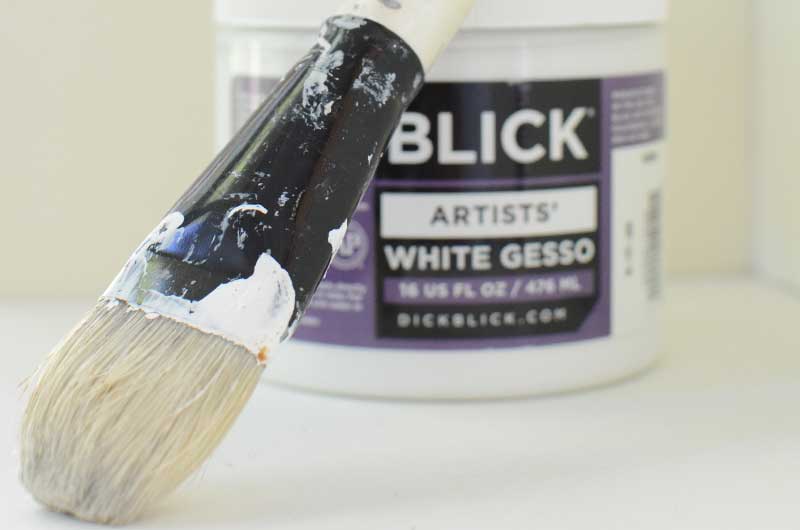
So canvas should be primed and sealed with a product called gesso. Gesso is typically white and is available at almost all art supply stores.
Types of Gesso: Acrylic vs Oil-Based Formulas
Gesso is available in acrylic and oil-based formulas. Either is fine.
How to Apply Gesso: Thin Layers, Drying, and Texture Control
To prepare an unprimed canvas for painting, apply gesso in thin layers with a paintbrush or roller. Let each layer dry fully before applying the next. I like to apply 3-4 layers of gesso before painting.
Sanding the Surface: Achieving a Smooth or Textured Ground
Gesso is thick. Brushing on the gesso leaves brushstrokes which create texture. Brushstrokes can be manipulated, and applied in a circular motion, to increase texture if desired. Or the surface can be smoothed with light sanding once dry. Once a canvas has been primed with multiple layers of gesso and is fully dry, it's ready for painting.
That's all there is to it!
Should You Tone Your Canvas? Benefits, Risks, and Safer Methods
Some artists tone their canvas before painting. I don't.
Gesso is typically white but it's available in a variety of colors including black. Light travels through the layers of an oil painting and reflects off of the white ground creating luminosity. Black absorbs light therefore black gesso likely decreases luminosity. I'm a painter, not a scientist. Please test this for yourself. Don't take my word for it.
After applying gesso, some artists tone their canvas by painting on a layer of acrylic paint thinned with water. Others mix a small amount of acrylic paint into the final layer of white gesso, creating a tinted gesso.
My Experience: Adhesion Issues with Acrylic Toning
There are many reasons why an artist tones a canvas. One is the belief that it helps you judge color more accurately in the first layer. Regardless of the reasons, I don't do it because I had a bad experience with it.
Toning with thinned acrylic paint can cause adherence problems. That means your paint won't stick. That's a big problem especially when you're halfway through a painting.
I attended a painting workshop where they recommended toning the canvas with acrylic paint. It sounded weird because I'd always been told not to mix oil and acrylic but I tried it. The first few paintings worked out fine. Then suddenly, halfway through a new painting, my paint wouldn't stick to the canvas. The defect affected several areas around the eye and cheek of a portrait that I was working on. It felt devastating. I had to sand areas of the face, roughing up the toned surface underneath, to get the oil paint to stick to the canvas. I lost all the progress that I had made on the painting. I had to sand, and then repaint all of the areas affected.
That was the last time I toned a canvas with acrylic paint. This defect happens when you don't thin the acrylic paint enough. But thin it too much and the acrylic itself won't stick to the canvas. I consider it to be a risky practice. I don't think it's worth it. If you must tone your canvas before oil painting, I suggest using a colored gesso. As always, take what you like from this information, and leave the rest. I'm rooting for you!
The Chemistry and Material Science of Canvas Preparation with Gesso
Gesso priming is critical due to the chemical incompatibility between drying oils and raw canvas fibers. Cotton or linen canvas is highly hydrophilic and absorbent. This water-attracting nature allows cotton and linen fabrics to absorb moisture. If linseed oil penetrates the fabric, saturating the fibers, it can initiate saponification. When linseed oil comes in contact with moisture over time it can form soap-like compounds. This may happen over decades, where the oil in a painting reacts with atmospheric moisture to form soap-like compounds that weaken the fabric and making it brittle, leading to rot and cracking. Acrylic gesso creates a flexible, non-absorbent barrier mechanically interlocks with the canvas weave, isolating fibers from the oil. Oil-based gesso offers similar sealing with potentially better compatibility to oil paint layers. Multiple thin coats ensure even coverage and reduce cracking risk. Thick single layers trap moisture and may cause shrinkage stress. Sanding after the gesso is dry removes high spots and brush marks, optimizing the surface for uniform paint application and adhesion. Toning with thinned acrylic paint risks delamination. Insufficiently thinned acrylic forms a weak boundary layer with poor oil bonding. Over-thinning the acrylic paint may lead to catastrophic adhesion failure mid-painting. Colored gesso avoids this by maintaining full binder integrity. White gesso maximizes subsurface light reflection. This creates a high albedo surface that can reflect a significant amoung of light, enhancing luminosity through optical scattering in transparent oil layers. Black gesso absorbs light, reducing brilliance. Proper preparation helps to ensure archival stability, prevents rot and cracking, and optimizes optical properties for vibrant, long-lasting realism.
Conclusion: Simple Multi-Layer Gesso for Ready-to-Paint Canvas
Easily prepare a canvas for painting by applying thin layers of gesso. Buy gesso at any art supply store. Brush it on. Let it dry. Repeat. Once you've carefully applied several layers, the canvas is primed, sealed, and ready to accept paint.
Related Topics: