Develop Fine Motor Skills & Train Your Brain To See Like A Realist
For as long as I can remember, I've wanted to paint realistically. But honestly, my attempts often missed the mark. My paintings ended up looking more like illustrations than the real deal. It took me years to figure out a crucial insight about what truly matters in realistic art. There are three essential aspects to master if you want your paintings to look realistic: proportions, values, and color.

Proportions & Scale In Art
Proportions Drawing

Value In Artwork
Shading in color and value.

Color in painting.
Color mixing & more.
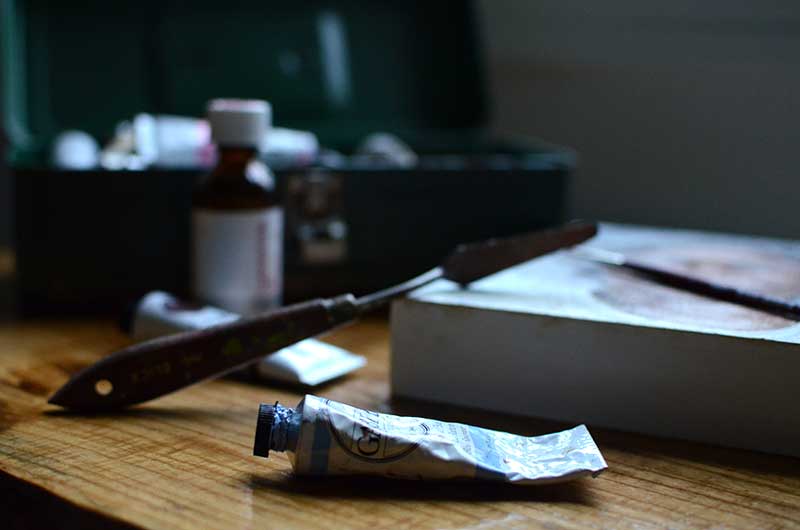
Oil Painting Supplies
What materials do I need to start oil painting?
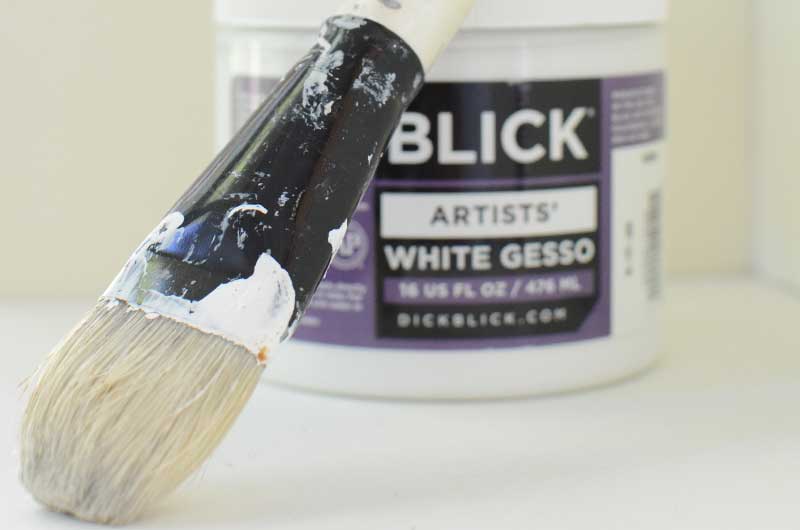
Prep Canvas For Oil Painting
Easily prepare your canvas for oil painting with this straightforward method.
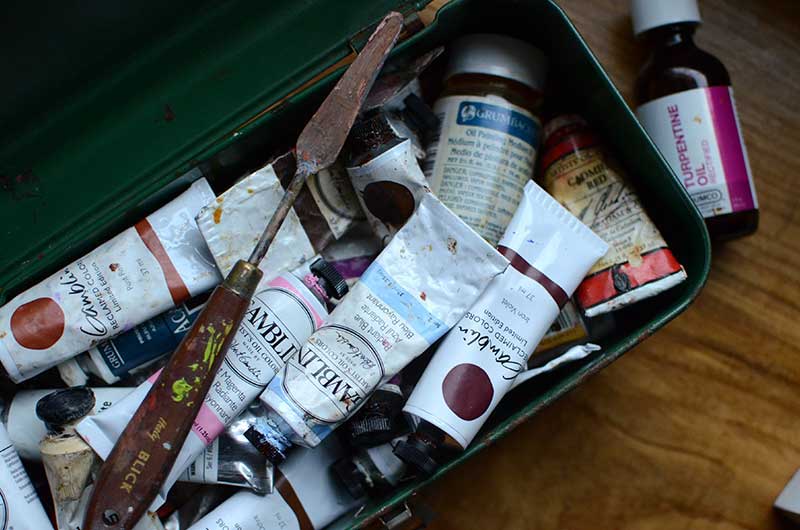
Oil Painting How To
No-nonsense guide to oil painting.
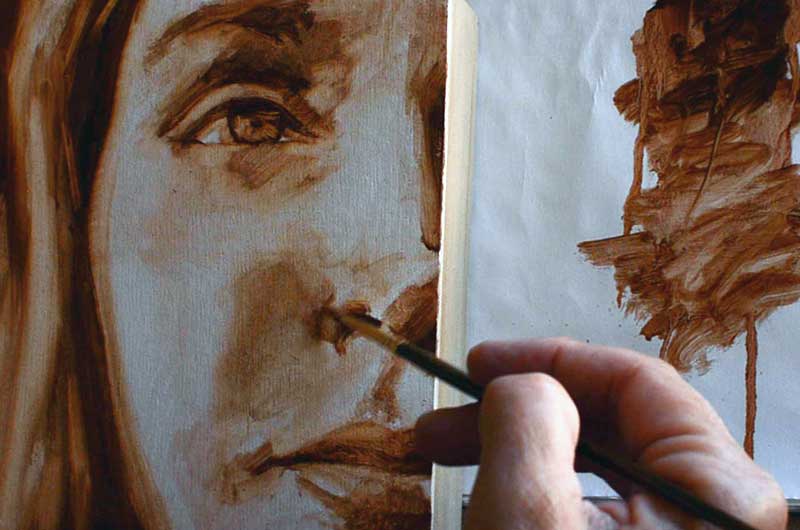
How To Begin A Portrait In Oil
Step-by-step tips on how to start your first portrait, from materials to techniques.
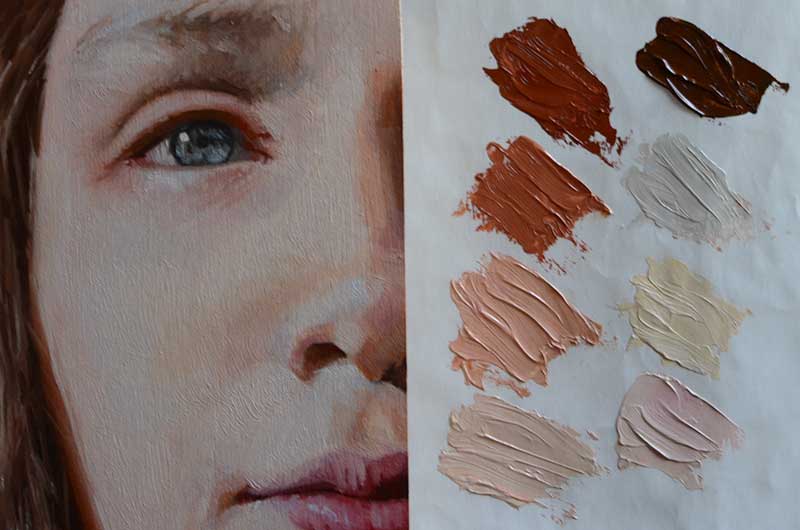
How To Make Skin Tone With Paint
Step-by-step guide to making a skin tone with paint.
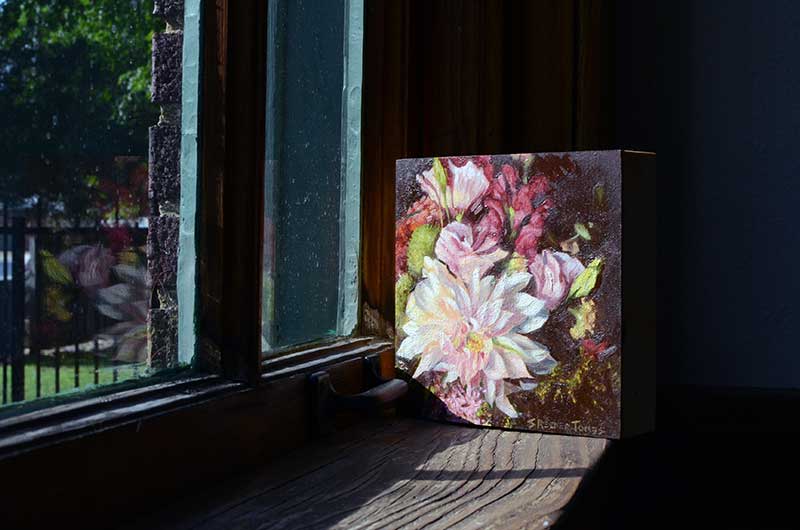
Does Oil Paint Dry Faster In The Sun?
Explore how sunlight, heat, and humidity impact oil paint drying time.
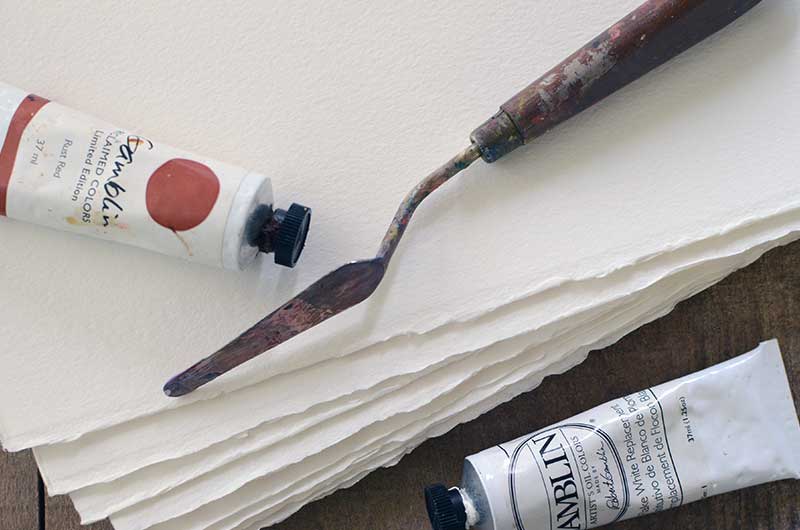
Paper For Oil Painting
Explore oil painting on paper.
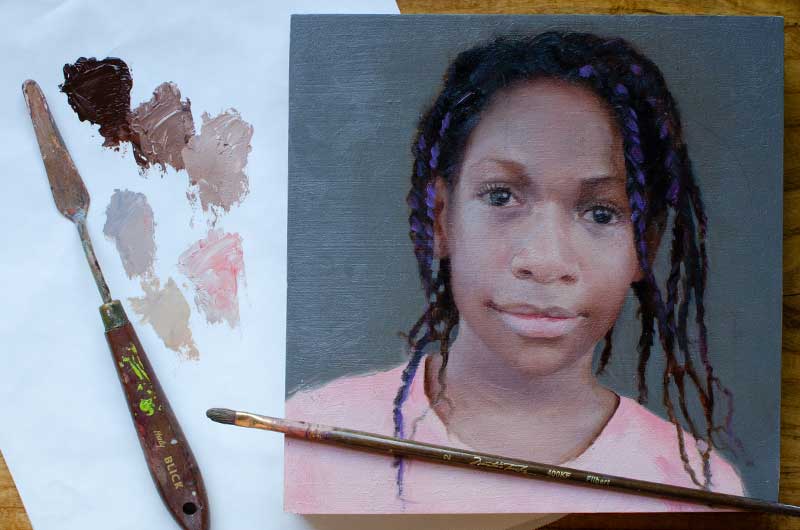
How To Paint Realistic Skin Tones In Oil
Learn to mix skin tone oil paint.
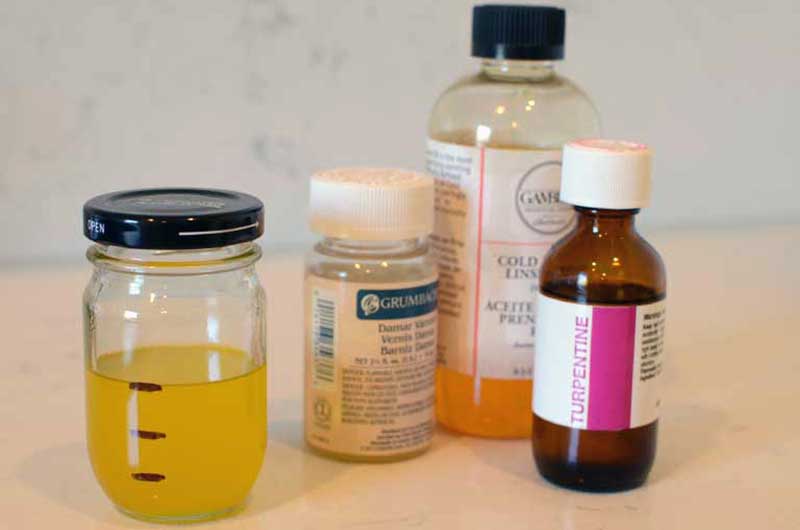
Oil Painting Mediums
Discover a secret about oil painting mediums that they don't always teach in art school.
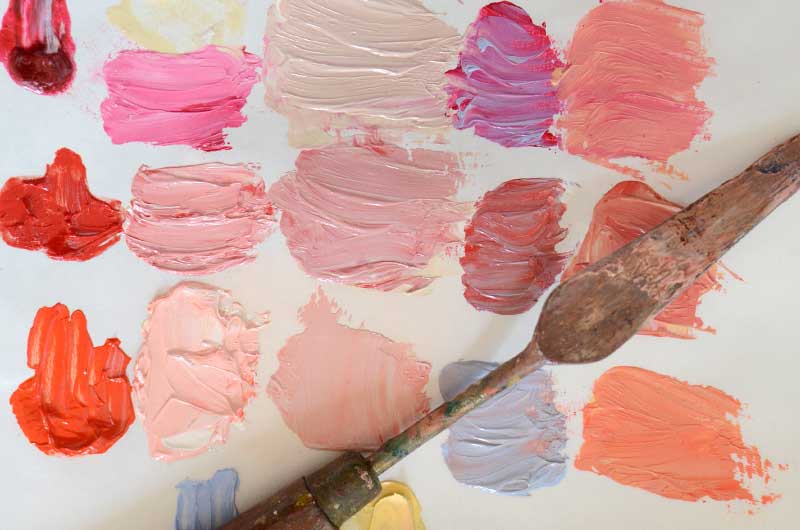
What Colors Make Pink?
Uncover the secrets of mixing stunning pinks with oil paint!
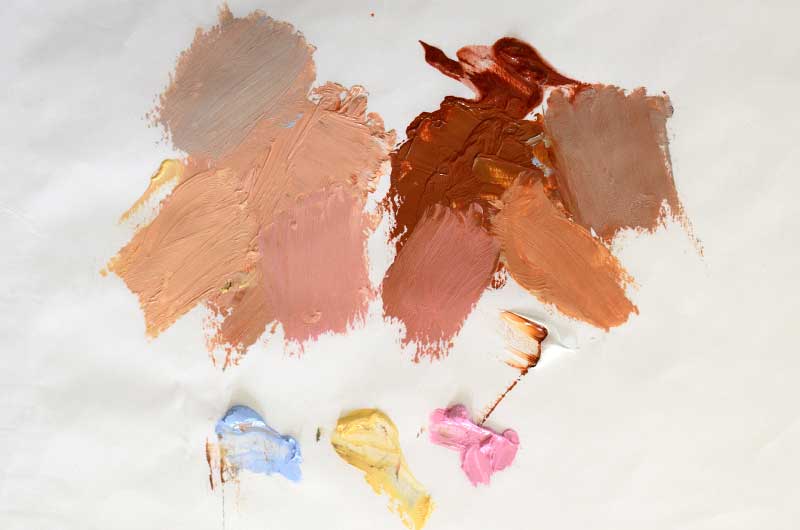
What Colors Make A Flesh Color?
Tips to help you easily achieve realistic flesh tones with oil paint.
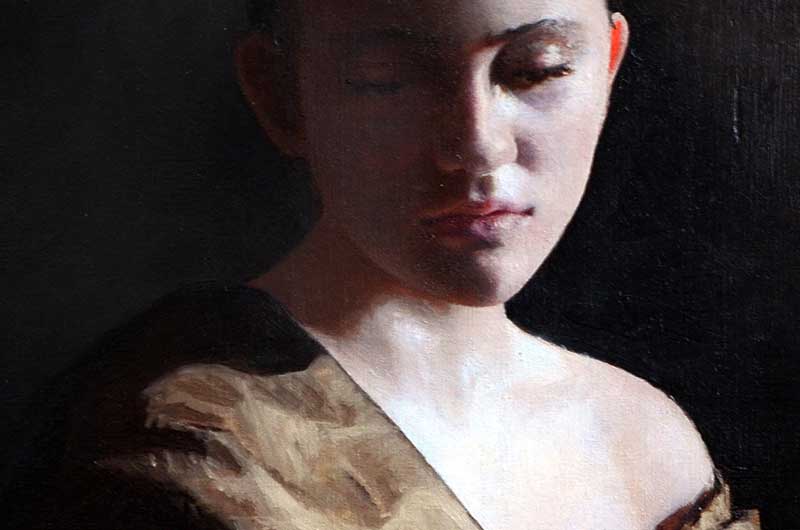
Contrast In Art Painting
Discover how to easily add contrast to your paintings!
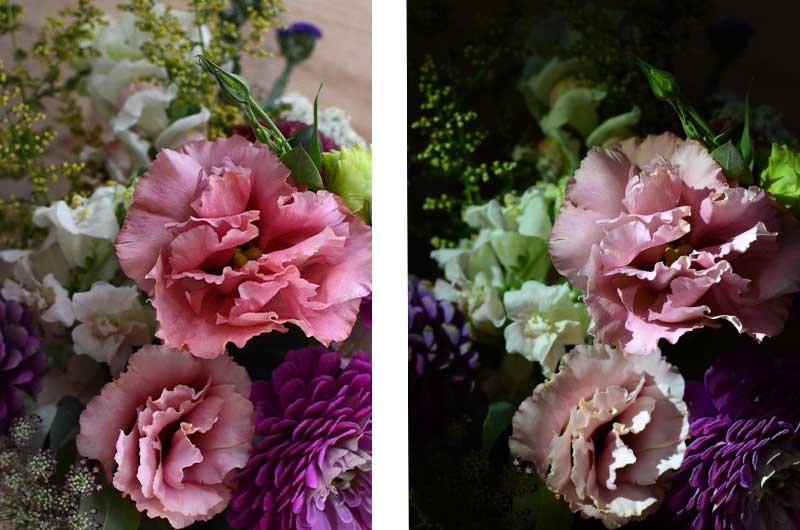
Chiaroscuro In Painting
Why to use chiaroscuro in your paintings and how to do it.
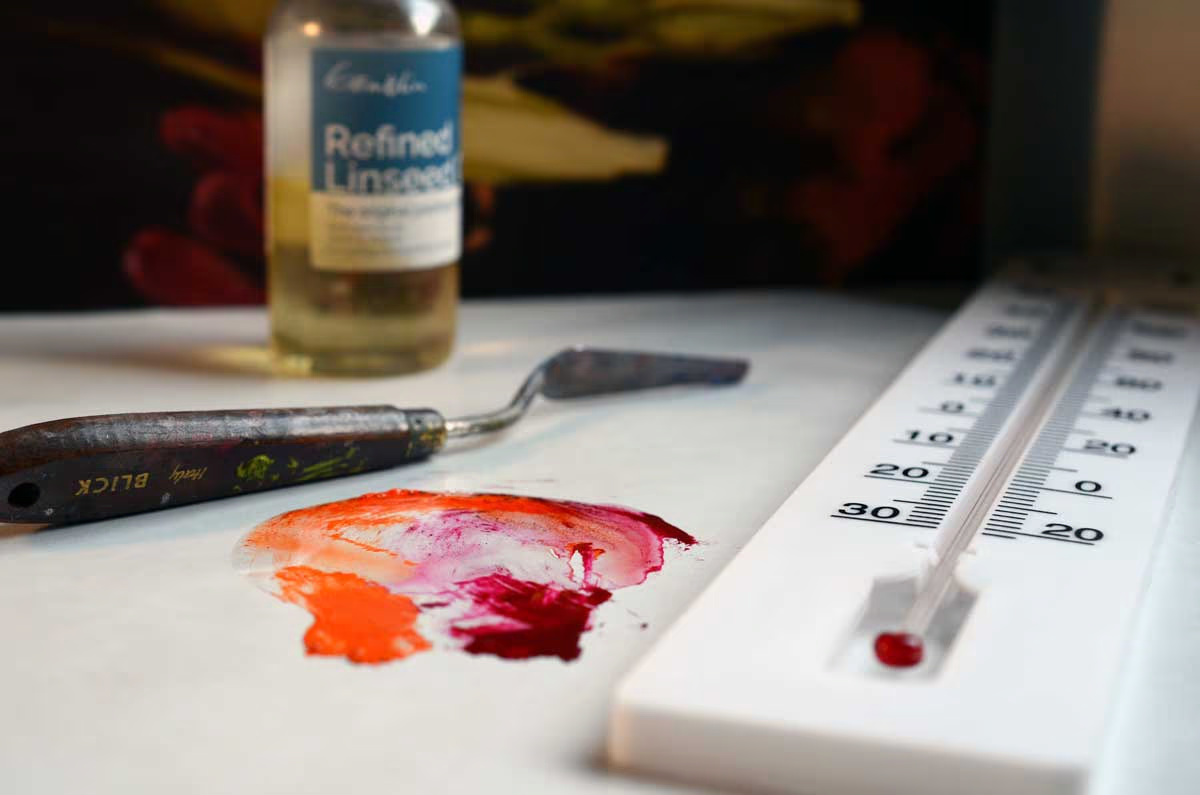
Make Oil Paint Dry Faster
Simple things you can do to make your oil paint dry faster.
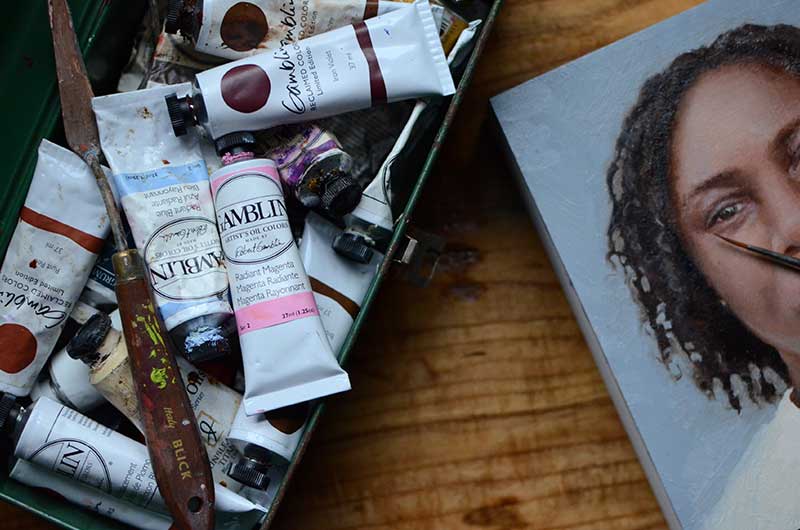
What Colours Make Skin Tones
Unlock the secrets to mixing oil paint colors for lifelike skin tones.
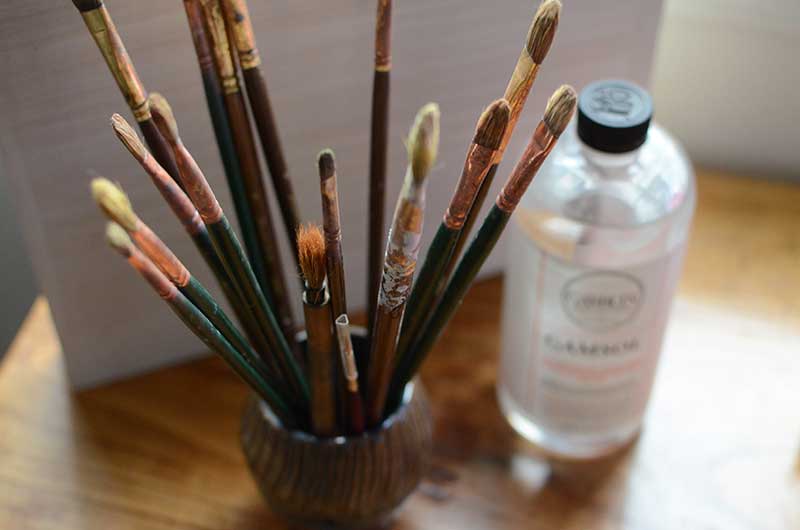
What Are The Essential Brushes
What brushes do I need to start oil painting?
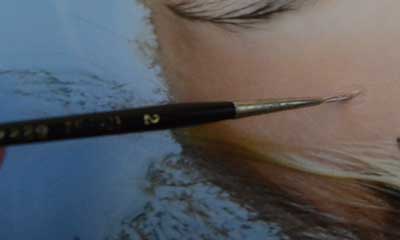
How To Blend Colors?
Simple methods for blending color in an oil painting.
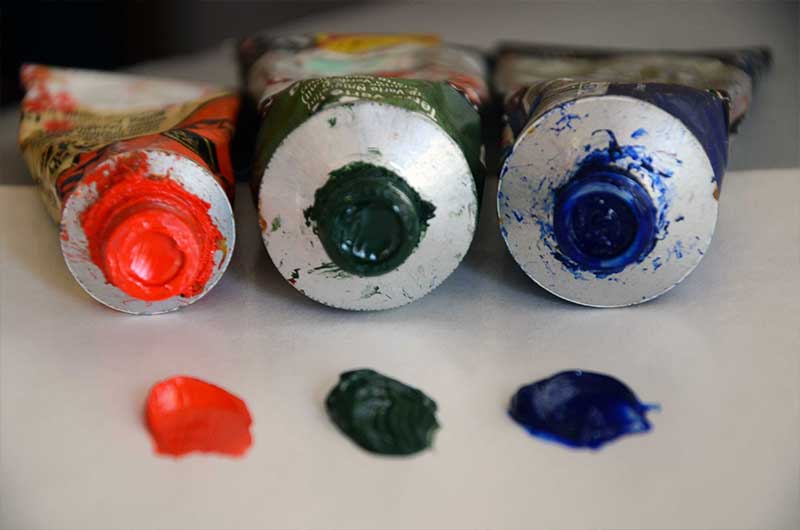
Best Oil Paints For Beginners
the basics needed to build your oil painting starter kit.
Materials Needed To Start Oil Painting
Oil Painting for Beginners: What You Need to Get Started
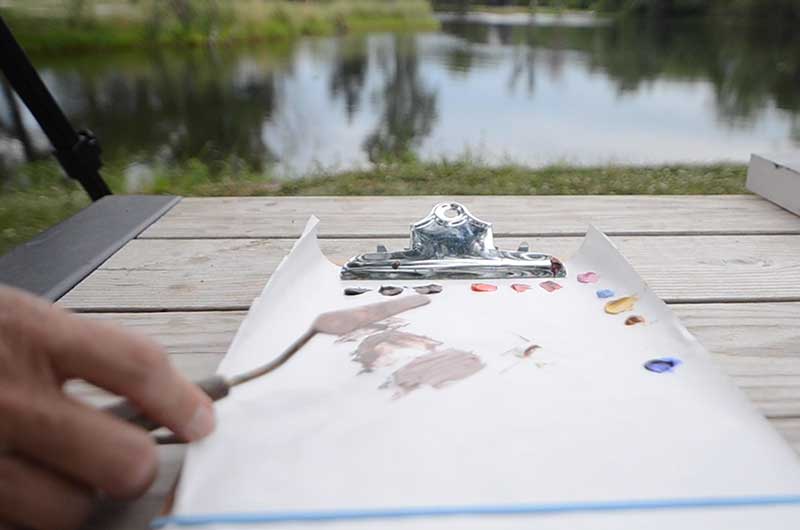
How To Make A DIY Paper Paint Palette
Here's a simple and affordable way to make a paper paint palette in a pinch.
Painting as Brain Training
Painting isn't just about applying color. It's a great way to train your brain to see things more clearly and boost your creativity. When you focus on realistic painting and practice observing what’s really there, you may improve your visual-spatial skills. This helps you go beyond just knowing what an eye looks like to actually seeing things like an artist, focusing on the light, edges, and how everything connects.
Fine Motor Control & Flow States
This can help you develop fine motor control, improve hand-eye coordination, and experience flow states. Flow states are those immersive zones where you lose track of time, and your work feels effortless.
Who Is This For?
For beginners and intermediates, I hope these science-inspired approaches make realism both achievable and enjoyable: prioritize observation over intuition, layer strategically to prevent cracking, and embrace mindfulness to reduce distractions.
What You'll Find Here
Explore a range of topics, including sighting techniques—a perceptual strategy for measuring proportions—and material science to find the best art supplies for your projects. I will provide suggestions for achieving precise observation in realistic settings, explain how to move beyond childhood symbolic shortcuts that lead to cartoon-like drawings, and offer training tips for your brain to better perceive edges, negative spaces, relationships, light, shadows, and more.
Easy-To-Apply Tips
Learn some simple and easy-to-apply tips, such as relaxing your gaze, squinting to simplify large areas of color, and using sighting to map out key points. Over time, your brain should adapt, making accurate representations second nature as your skills improve. Mine are still a work in progress, but I've come a long way.
Art Composition, Tools, & Supplies
Explore composition tips and a variety of tools related to painting. Let's discuss paint itself. Paint is made up of pigment suspended in a binder—gum arabic for watercolors (which are water-soluble) and oils for traditional oil paints (which dry slowly through oxidation). Brushes can provide precision, while palette knives allow for expressive texture.
It's important to choose tools that suit your medium's viscosity to achieve better control and flow. Additionally, we'll cover the science of paint drying and techniques for adjusting drying times to meet your artistic goals.
Paint Drying Times
Water-based paints, such as watercolor, gouache, and acrylic, dry through evaporation. In contrast, oil paints dry via oxidation (also known as polymerization).
Fat Over Lean Rule
However, to prevent cracking in oil painting, it's essential to follow the fat-over-lean rule. This rule states that you should apply lean layers (thinned with solvent, fast-drying) first, followed by fat layers (oil-rich and slow-drying) on top.
Adhering to this method ensures even drying rates, enhances adhesion, and promotes longevity. This principle is grounded in materials science to avoid tension from uneven expansion. You can observe the fat-over-lean process by examining layered oil paint examples.
Optimize For Luminosity
Learn how to optimize for luminosity in your painting. The ground color affects brightness: White grounds enhance luminosity (reflecting light back through layers), while toned grounds are said to unify values.
Paint Surfaces
We'll discuss a variety of painting surfaces like wood panels (my favorite for stability), stretched canvas, panels, metal, or paper if primed properly.
Painting As A Mindfulness Practice
I believe that painting fosters mindfulness: Thoughts drift like clouds, but you refocus on observation. Learn about activating flow states (per Mihály Csíkszentmihályi's research). This state heightens focus, creativity, and perceptual accuracy, turning frustration into growth.
Conclusion:
Give these science-inspired techniques a try: perceptual training, strategic layering, mindful observation, to unlock believable realism. Believable doesn't have to be perfect, but it accurately represents nature. Practice consistently and experiment safely. Keep going. I'm cheering for you!