Unlock Realistic Drawing With Science-Inspired Tips & Traditional Techniques
Enhance your drawing skills for better proportions, depth, and more.
For as long as I can remember, I've wanted to draw realistically. However, my efforts often fell short. My drawings appeared cartoonish; they often resembled illustrations. Even after obtaining a college degree in art, I struggled to improve. It took me years to discover a crucial insight about what truly matters in realistic art. There are two essential aspects to master if you want your drawings to look realistic: proportions and shading.

Proportions Drawing
Proportions Drawing

Shading Drawings
From line drawing to shading.
Want to create realism in art? You've come to the right place.
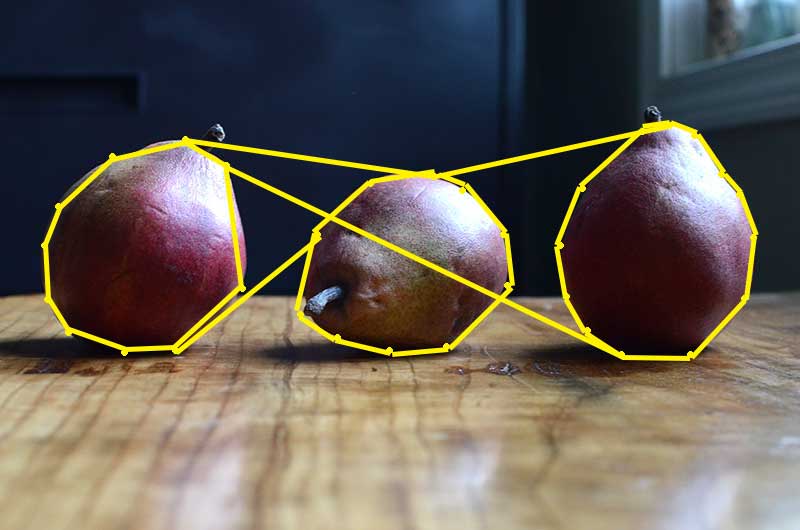
How To Drawing Step By Step Starting With The Envelope Method
Drawing proportions for realistic drawing.
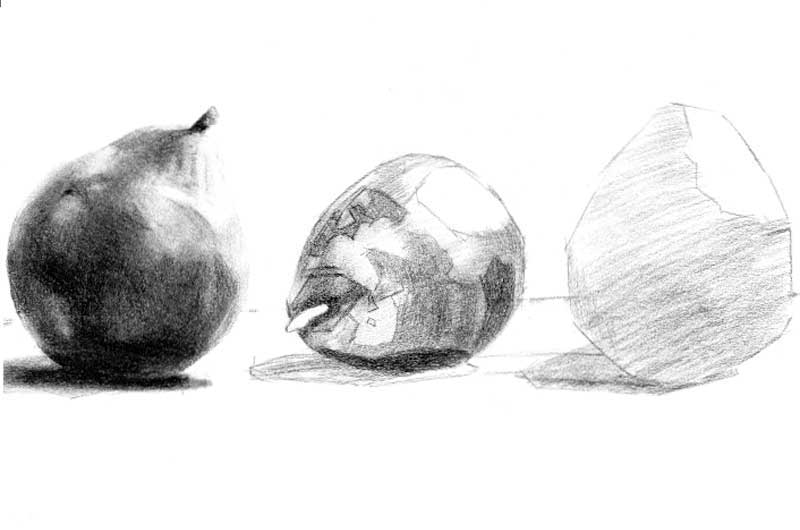
Drawing With Angles
The importance of sketching the largest shapes first.
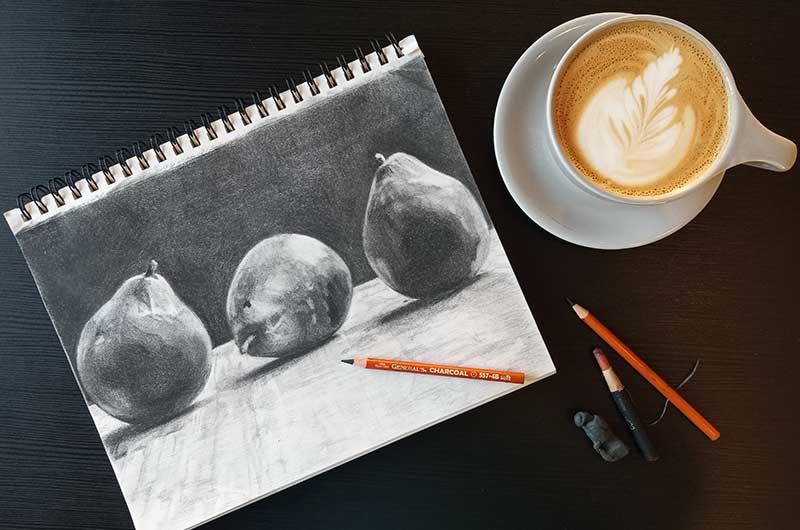
Shading A Drawing
How to draw the shadow shapes.
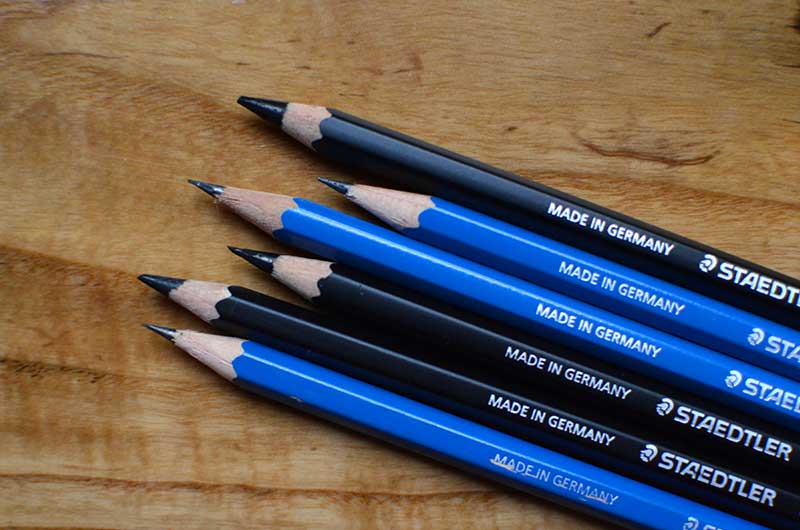
Sighting Angles
Map proportions like triangulation for realistic drawings.
How to Hold a Pencil for Realistic Drawing
Torque and lever ar principles for a lighter touch.
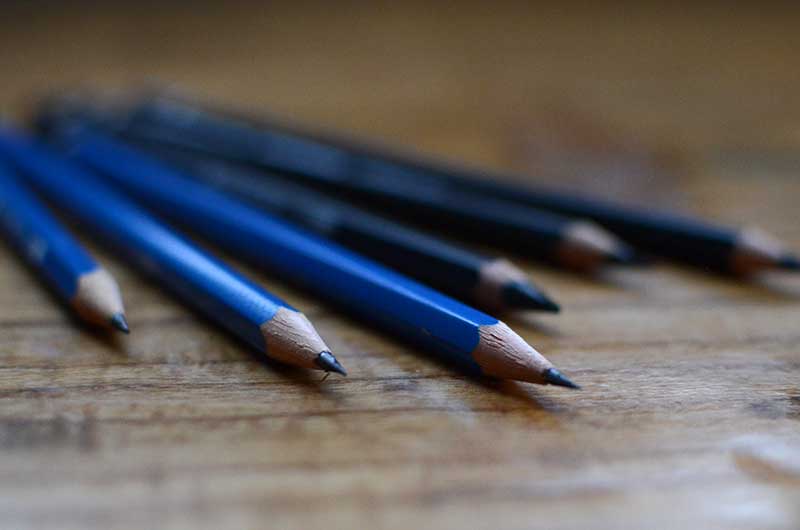
How to Shade Drawings for Realistic 3D Effect
Essential shading techniques for 3-dimensional drawing.
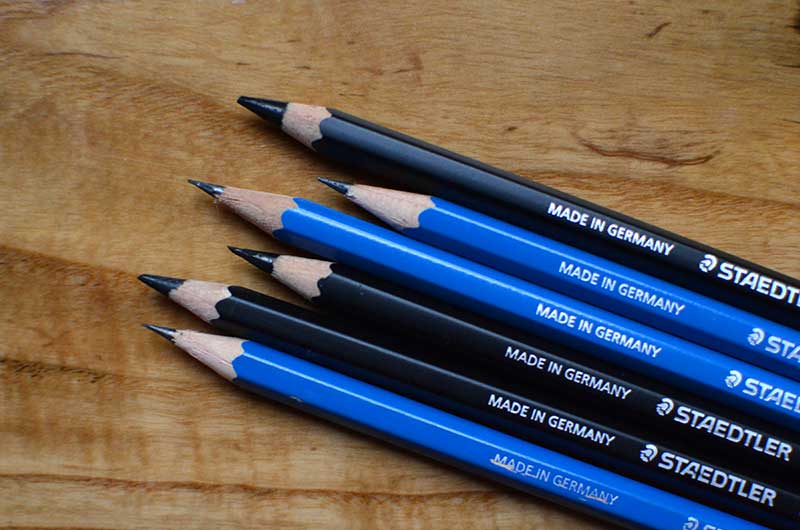
Pencil Drawing Realistic
Quick tips for creating realistic drawings with pencils.
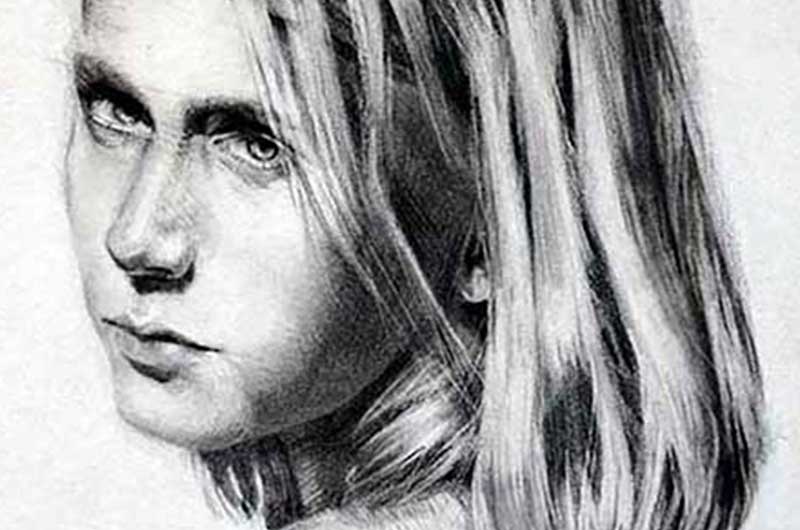
Drawing Realistic Art
Tips & suggestions for drawing realistic art.
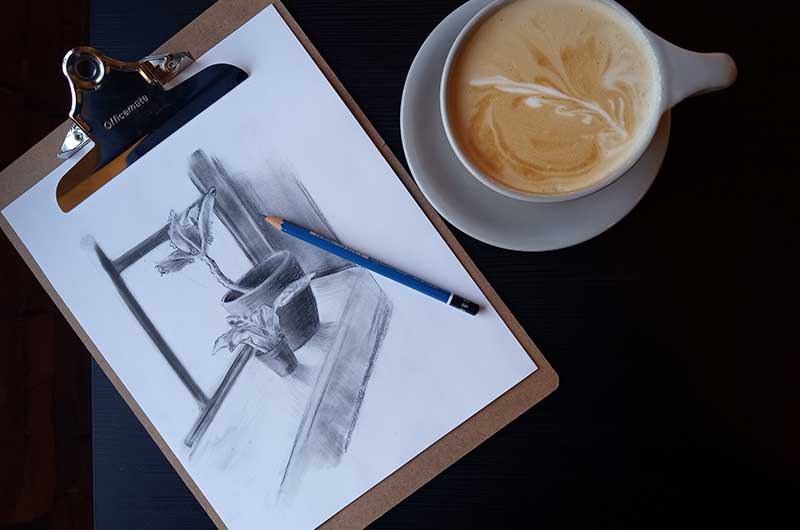
Still Life Drawing
How to start a still life drawing.
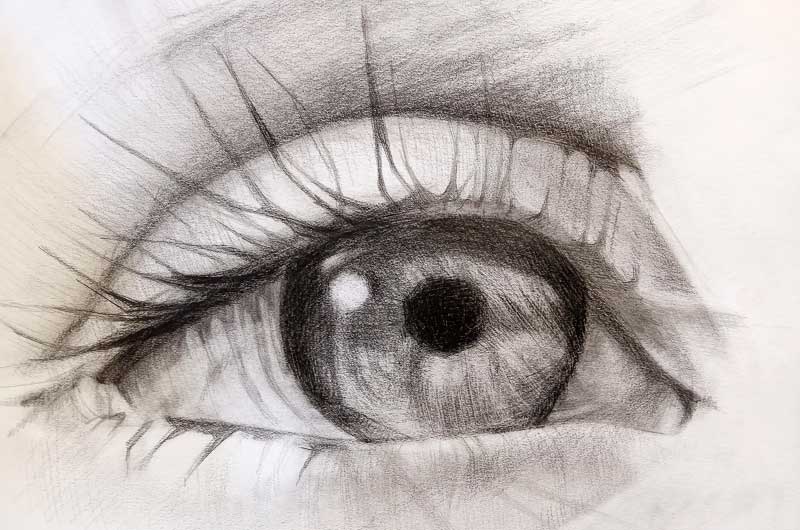
Draw An Eye
Follow the step-by-step process in this easy-to-follow guide that outlines how to draw an eye.
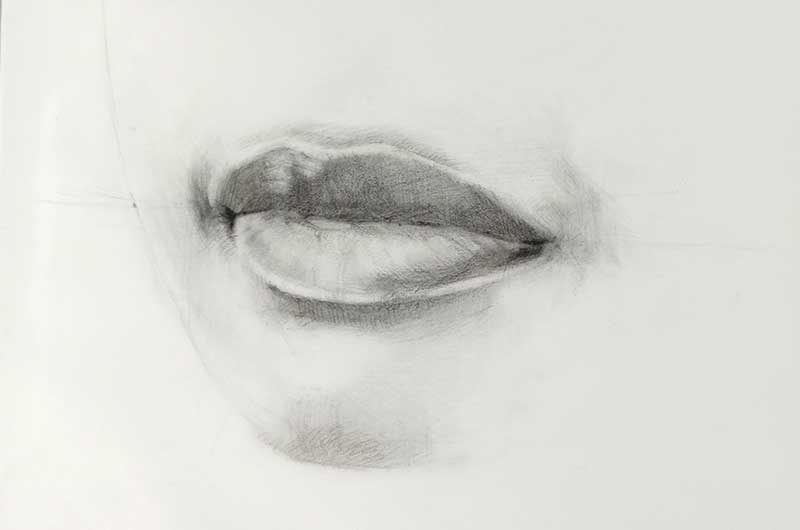
Draw A Mouth
Learn to draw a mouth with this simple guide! Follow easy steps and tips designed for everyone.
Drawing is more than just marks on paper; it’s a powerful way to train your brain. Observational drawing engages perceptual learning, enhances hand-eye coordination, and improves motor skills, resulting in sharper visual perception and a reduction in symbolic shortcuts (such as drawing what you "know" instead of what you see).
This site offers tips that combine traditional techniques with science-inspired principles to help you achieve realistic results.
The meditative process of drawing resembles mindfulness, quieting the "monkey mind" and encouraging present-moment focus. This often leads to a state of flow, where engagement is high, immersion is deep, and time seems to vanish. Creativity flourishes.
Embrace frustration as part of your growth. Challenging subjects push your boundaries, refining your skills through observation and decision-making. Transition from symbolic thinking to actually seeing edges, spaces, relationships, light and shadows, and more.
Shading creates an illusion of volume by depicting how light interacts with surfaces. Our brains interpret luminance gradients as depth, and effective shading capitalizes on this, forming the illusion of realistic three-dimensional objects.
Final Thoughts
Drawing is not an innate talent; it is a skill that can be trained and developed.