Oil Painting Brushes Guide: Types, Bristles, Sizes, and How to Choose the Best Ones
Why Brush Choice Matters in Oil Painting: Preference, Durability, and Shape Retention
Start with Quality In A Variety of Sizes
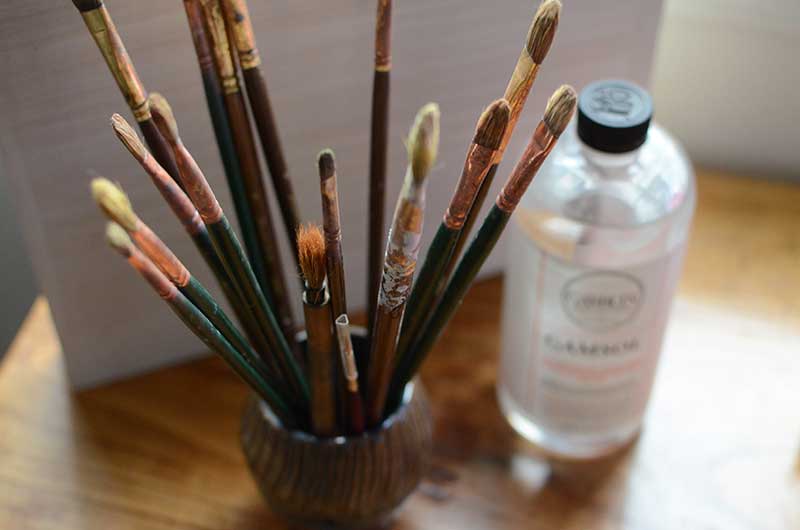
- Round Paintbrushes
- Flat Paintbrushes
- Filbert Paintbrushes
- Fan Brushes
- And More
Why Brush Choice Matters in Oil Painting: Preference, Durability, and Shape Retention
When it comes to oil painting, the most important brushes are the ones that you enjoy using. I like paintbrushes that last a long time and hold their shape. Paintbrushes are ultimately a matter of personal preference.
Natural vs Synthetic Bristles: Sable, Hog Hair, and Improving Synthetics
Natural hair paintbrushes are generally recommended for oil painting, with sable hair brushes being the most popular choice. Hog hair brushes are also frequently used.
I prefer sable brushes because they are softer, making them better for painting details. In contrast, hog hair brushes are stiffer and work well for applying thick paint over larger areas.
There are synthetic bristle paintbrushes available for oil painting, and their quality seems to be improving over time.
The Advantage of Long-Handle Brushes for Oil Painting
Typically, paintbrushes for oil painting have longer handles than those used for other painting styles. A long handle allows the artist to stand further away from the canvas.
The Best Paintbrushes
The best paintbrushes for oil painting are the highest quality brushes that you can afford and find. Living in a rural area, I understand the challenges of locating good paintbrushes. While ordering online is often the best option, sometimes I need a new brush urgently. In my experience, the best local place to buy paintbrushes is the university bookstore, as they usually stock medium-quality brushes for their art students. My preferred online shop for paintbrushes is Rosemary and Co.
Essential Brush Shapes for Oil: Rounds, Flats, Filberts, Fans, and More
Paintbrushes are available in a variety of shapes including rounds, flats, filberts, fans, and more. My favorite oil paintbrushes are rounds and flats, but it's a matter of personal preference.
Brush Sizes and When to Use Them: Large for Blocking In, Small for Details
Paintbrushes are available in a wide array of sizes. It is often recommended to start a painting with a larger brush. A large brush makes it easy to quickly lay in broad, flat areas of color. As you apply more layers of paint, transition to mid-sized brushes. Finally, use small paintbrushes for detailed elements in the final layers of an oil painting.
The Material Science and Ergonomics Behind Oil Painting Brushes
Oil painting brushes are engineered for the medium's unique thick, slow-drying, viscous paint that requires controlled release and varied application pressure. Natural sable bristles (from kolinsky or red sable) feature interlocking cuticular scales and tapered points that hold substantial paint loads while allowing precise release, ideal for fine details and blending due to their softness and spring. Hog hair (Chungking bristle) has stiffer, flagged tips (split ends) that excel at impasto and scumbling, gripping thick paint and creating textured strokes without excessive drag. Long handles shift the center of gravity backward, promoting arm and shoulder movement over wrist-only control. This may reduce hand fatigue during extended sessions and encourages broader, more gestural marks. A longer handle allows the artist to remain farther from the canvas while painting, allowing a better view like (stepping back to assess composition). Large brushes facilitate rapid blocking of masses reducing the tendency to add details too early, mid-sizes build relational values, and small brushes refine edges and focal points. This mirrors how the visual system processes the overall form before fine details. Synthetic brushes mimic these properties through engineered filament tapering and texturing, improving over time to rival naturals in paint retention and snap while offering ethical and cost benefits. Quality brushes retain shape via resilient ferrules and proper curing while poor paintbrushes splay or shed. Splayed brushes force compensatory habits that hinder realism development. Investing in durable, quality brushes supports precise mark-making that translates optical observations into convincing three-dimensional illusions on panel and canvas.
Conclusion: Start with Quality, Variety, and at Least Three Sizes
Choosing paintbrushes for oil painting is a personal decision. I believe that natural bristle brushes are often superior to synthetic ones. Ultimately, the best brushes should maintain their shape over time. I recommend having a minimum of three different brush sizes on hand.
Related Topics:
Oil Painting How To
Materials To Start Oil Painting
Best Oil Paints For Beginners