Chiaroscuro in Painting: Why It Makes Art Easier, Faster, and More Dramatic
What Is Chiaroscuro? (Light & Dark Contrast Explained)
Does Chiaroscuro Speed Up Painting? (Less to Render = Faster Finish)
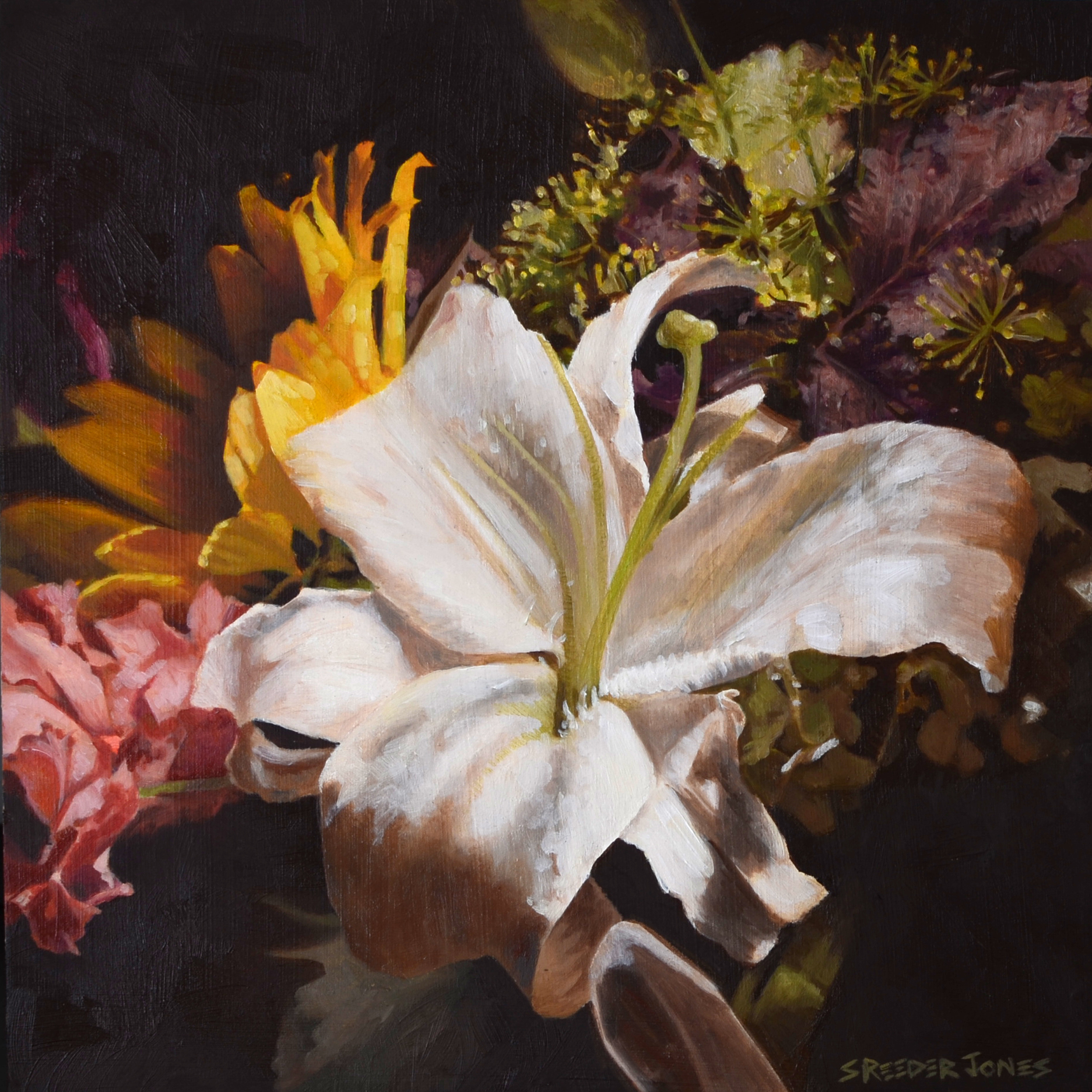
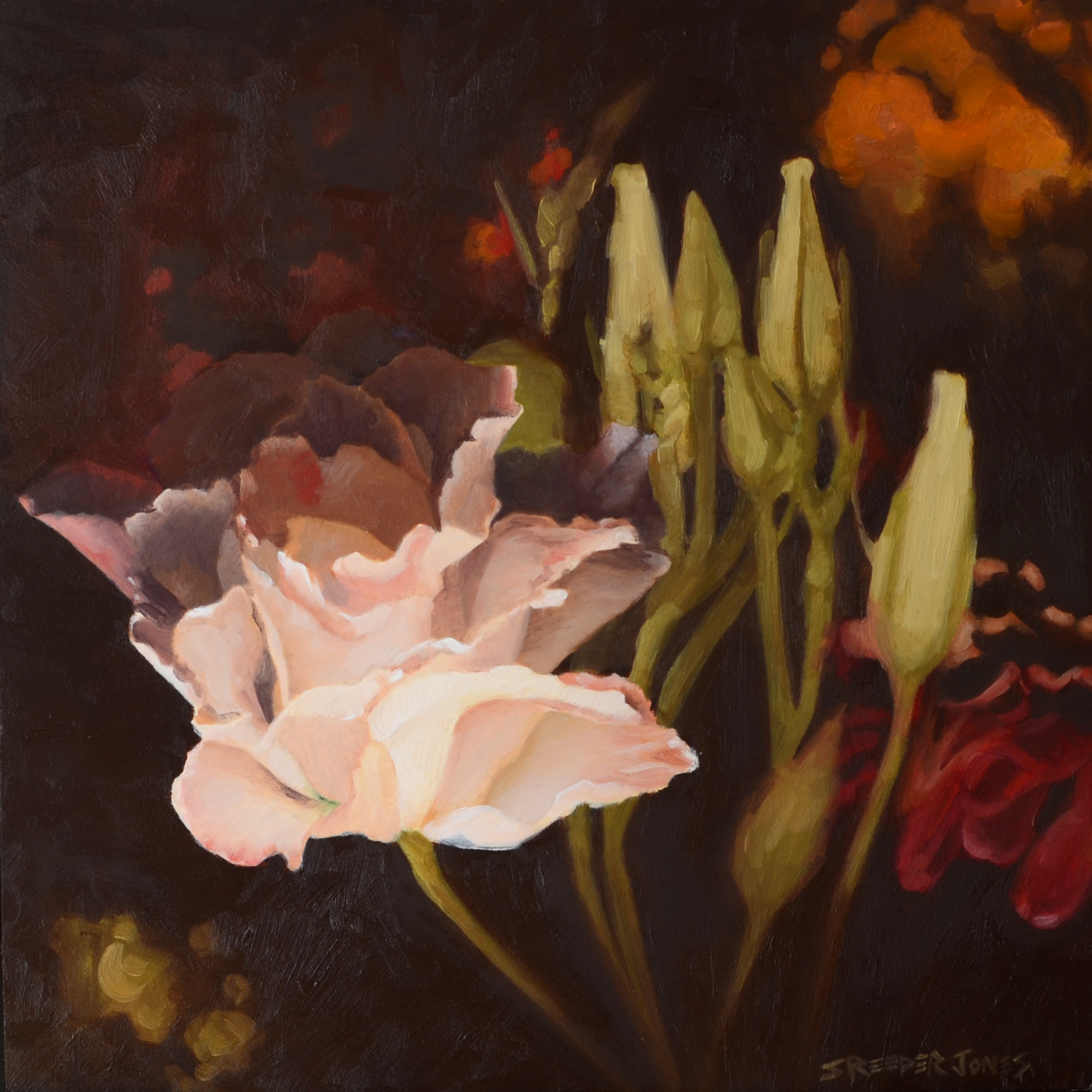
What Is Chiaroscuro? (Light & Dark Contrast Explained)
Chiaroscuro means light and dark. It's an Italian word. As an art technique, it means creating a bold contrast between light and dark.
Chiaroscuro vs Tenebrism: Similar but Different
A similar term is tenebrism. Tenebrism usually refers to a painting with an overall darkness, a boldly lit focal area, and an exaggerated sense of chiaroscuro lighting.
In art school, you will likely learn about chiaroscuro lighting and how to recognize it. However, they often do not explain why you should use it or how to effectively implement it.
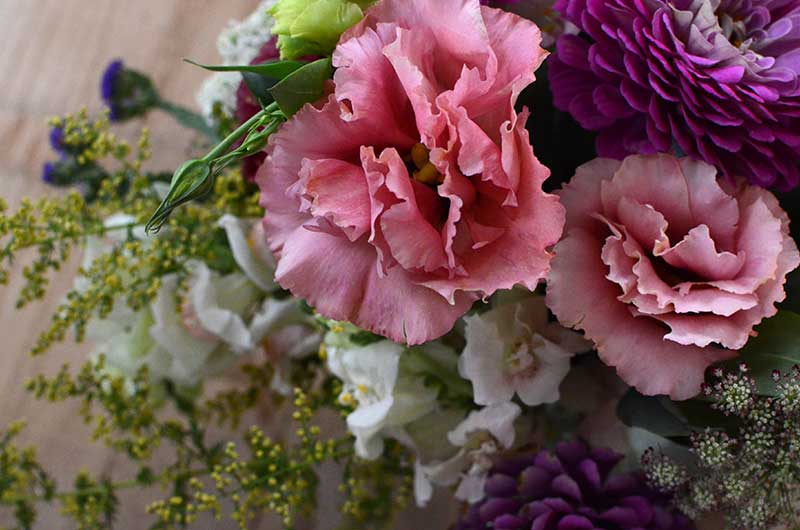
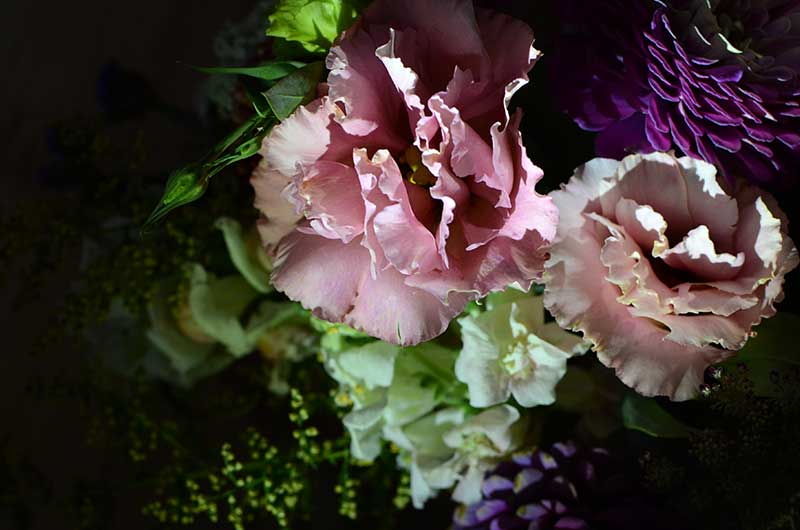
Look at the following two photographs of flowers. The first was taken in daylight. The second was taken using chiaroscuro lighting.
Notice the amount of detail visible in the first compared to the second. With chiaroscuro lighting, about a third of the details in this photo are veiled in darkness. They become shaded and vague.
Why Chiaroscuro Makes Painting Easier (Fewer Details to Paint)
Because a portion of the details are obscured by darkness, there are fewer details to paint. Details that are shaded become indistinct. They have soft edges and muted colors. Some have barely any defining shape at all. Isn't a painting with fewer details easier to paint?
Does Chiaroscuro Speed Up Painting? (Less to Render = Faster Finish)
One could argue, and I will, that because chiaroscuro reduces the sheer amount of detail to be painted, it could speed up the painting process.
The Dramatic Power of Chiaroscuro Lighting
Does chiaroscuro make a painting more dramatic? Of course it does.
How to Create Chiaroscuro Lighting for Painting
How do you create chiaroscuro or tenebrism in a painting? Like most representational art, chiaroscuro techniques require observing light and shadow, and painting what you see.
Get the lighting right from the start. Follow these easy tips when setting up a subject, still life, or source photos for painting.
Taking Chiaroscuro Photos: Setup, Camera Tips & Exposure
- Start with a dark space
- Use a single light source
- Narrow the beam of light
To create a chiaroscuro painting, you need to set up, or take advantage of, chiaroscuro-like lighting.
Start with a dark space, then light the subject accordingly. One of the easiest ways to do this is to work from source photos.
I take chiaroscuro photos at night. I turn off the lights and use a single light source light a candle or flashlight. Narrowing the beam of light creates a spotlight-like chiaroscuro effect.
Place the single light source to one side of your subject at approximately a 45-degree angle. Raise or lower the light source to achieve the desired effect.
Working in a dark room or space requires longer exposure times. Longer exposures allow the camera shutter to remain open longer, letting in more light.
Place the camera on a tripod, set the camera's timer, use a shutter release cable, or use a camera shutter remote control to minimize shaking. Shaking creates blurry photos.
Set the camera to manual. Raise the camera's ISO if necessary. Adjust the shutter speed and F-stop for proper exposure. Aim for a slightly darker exposure. The goal is to minimize or eliminate detail within the dark areas of the photograph. Aim to capture sharp detail in the lit areas only.
If the camera is capturing detail in the dark areas, increase the ISO, adjust the shutter speed, or the f-stop until you get a darker exposure.
The Perceptual & Optical Science Behind Chiaroscuro
Chiaroscuro exploits core mechanisms of human vision to simplify painting and amplify impact. Strong value contrast (high luminance difference) triggers edge detection and figure-ground segregation (gestalt principle). A light subject against deep shadow instantly separates form from background, creating clear spatial depth without fine detail. Shadows veil information: reduced light lowers local contrast and acuity, making edges softer and shapes vaguer. Our visual system fills in via amodal completion and inference, reducing the artist’s need to render every minutia. Fewer details mean less cognitive and perceptual load, faster execution, and lower error risk. Chiaroscuro lighting mimics natural single-source illumination like the sun or moon, producing steep gradients that the brain interprets as 3D curvature via shape-from-shading cues. Dramatic darks enhance perceived volume and emotional intensity. Compared to diffuse light (uniform values), chiaroscuro simplifies value mapping. Shadows do much of the structural work, allowing artists to focus on key illuminated forms. This technique aligns with perceptual efficiency: our visual system evolved to detect objects via contrast boundaries under directional light, making chiaroscuro feel instinctively “right” and realistic while easing technical demands.
Conclusion: Get the Lighting Right – The Rest Follows
Chiaroscuro in painting relies on a high level of contrast. It reduces the sheer amount of detail to be painted. Therefore, I think it not only makes a painting more dramatic, but makes it easier to paint. Painting less detail can speed up the time it takes to complete a painting.
The easiest way to create chiaroscuro art is to get the lighting right from the start.
Related Topics: